
Uma Prajapati

At its core Upasana promotes environmental and socio-economic sustainability. The enterprise has become a leader of conscious fashion in India and in the world. Upasana’s various products have become their own brands and through those brands, local men, women and farmers are supported, developed and ensured fair-trade.
Background
 In 1996, Uma Prajapati, a qualified fashion designer, left her job as head of design to start her own initiative with only Rs 2000 (R380) in her pocket. She was determined to create a fashion brand that was both sustainable and supported local textiles and cotton farmers. This journey lead her to founding Upasana.
In 2004, Uma was horrified by the aftermath of a devasting tsunami and found the lack of emotional support for survivors a problem. In February 2005, Uma started providing women affected by the natural disaster with trauma counselling. These women soon became employees of Upasana. Through this, Upasana’smost famous creation was born; Tsunamika. Tsunamika is a set of dolls handmade with old cloth that was left from the tsunami. These dolls became a symbol of hope and they cannot be bought or sold, only gifted.
Since 2004, Uma has co-branded her fashion with projects around environmental and social issues that speak to hear heart.
Social & Environmental Purpose
At its core Upasana promotes environmental and socio-economic sustainability. The enterprise has become a leader of conscious fashion in India and in the world. Upasana’s various products have become their own brands and through those brands, local men, women and farmers are supported, developed and ensured fair-trade. This allows those in communities that Upsasana works with to maintain a livelihood that rises them out of poverty, provides work that artisans can be proud of and promotes the sustainability of the local environment.
At the centre of Upasana’s work is to shift consumer and producer mindsets to shop and manufacture sustainably and consciously.
Combining Business Model with Creative Focus
 Upasana can best describe how the enterprise combines its business model with its creative focus through individual examples of its initiatives. Most of its initiatives generate income through product sales:
- The Tsunamika Project (2005): Dolls cannot be bought or sold so a bank account was opened to receive donations. The project is 100% self-sustainable on global donations. The project remains active years after the tsunami due to the story of the dolls which has also become a storybook.
- Small Steps (2007): 140 women from 14 villages near Uma’s home village, Bihar, sustain their livelihood through stitching ‘smart’ shopping bags that fold into tiny pouches in a drive to eliminate plastic shopping bags and the pollution they cause. These shopping bags can be bought online and Upasana invites large corporate clients to co-brand the product.
- Varnasi Weavers Project (2007): Upasana provided local, struggling weavers with the design, marketing and sales channels of banarasi silk scarves and through great traction, Varnasi Weavers developed into a separate brand.
- Kapas (2008): Upasana only uses local cotton and silk as a stand against farmer exploitation. The project also allows only natural dyes to be used to create top-quality products with environmental consciousness.
- Tranquebar (2009): Upasana responded to the great loss in Tranquebar after the 2004 tsunami and promotes the area as a cultural tourism destination while enhancing the local community through skills development and market their craft products. Income for the community also comes in through homestays promoted by Upasana.
- Paruthi (2011): Upasana works with cotton farmers from seed-to-sale by making garments for ladies, men and children as well as home furnishings and yoga-wear. Paruthi brand is made using only the most ethical practices and cotton.
- Janaki (2012): Upasana’s first retail initiative which sells home furnishing and organic food to close the seed-to-sale cycle. Through this initiative, a weekly farmers market is coordinated.
A total of 60% of Upasana’s activity has been non-profit with the various initiatives being self-funded. ‘Money is not for multiplying money, but for multiplying goods,” explains Uma. Upasana has a comprehensive online store as well as separate platforms for various projects.
Challenges and Overcoming Them
The enterprise’s main challenge is competing with massive, international corporate brands that already dominate the global fashion markets and provide consumers with cheaper fashion. The cost of moving her fashion range to 100% eco and socially responsibly was crippling and Uma says she would do it in transitioning phases rather than a sudden shift, should she have the opportunity to do it again. Securing corporate clients has been a game-changing success point for the team. Corporate clients not only generate large incomes, but also enhance advocacy efforts around sustainability through a wider audience reach.
Celebrating Success
The Tsunamika project has been recognised by Unesco and the doll has received a special endorsement. The Tsunamika storybook has also been translated into 7 international languages. Today, it is the project Uma is most proud of.
Since 2015 the creation of Small Steps, more than a 100 ambassadors and buddies from India and the world have been involved in communication, education, distribution and fundraising from Small Steps in a global campaign against plastic and non-recyclable materials.
Through the Paruthi brand, Upasana has successfully launched a clothing line under ‘Responsible Fashion’.
 Social Impact
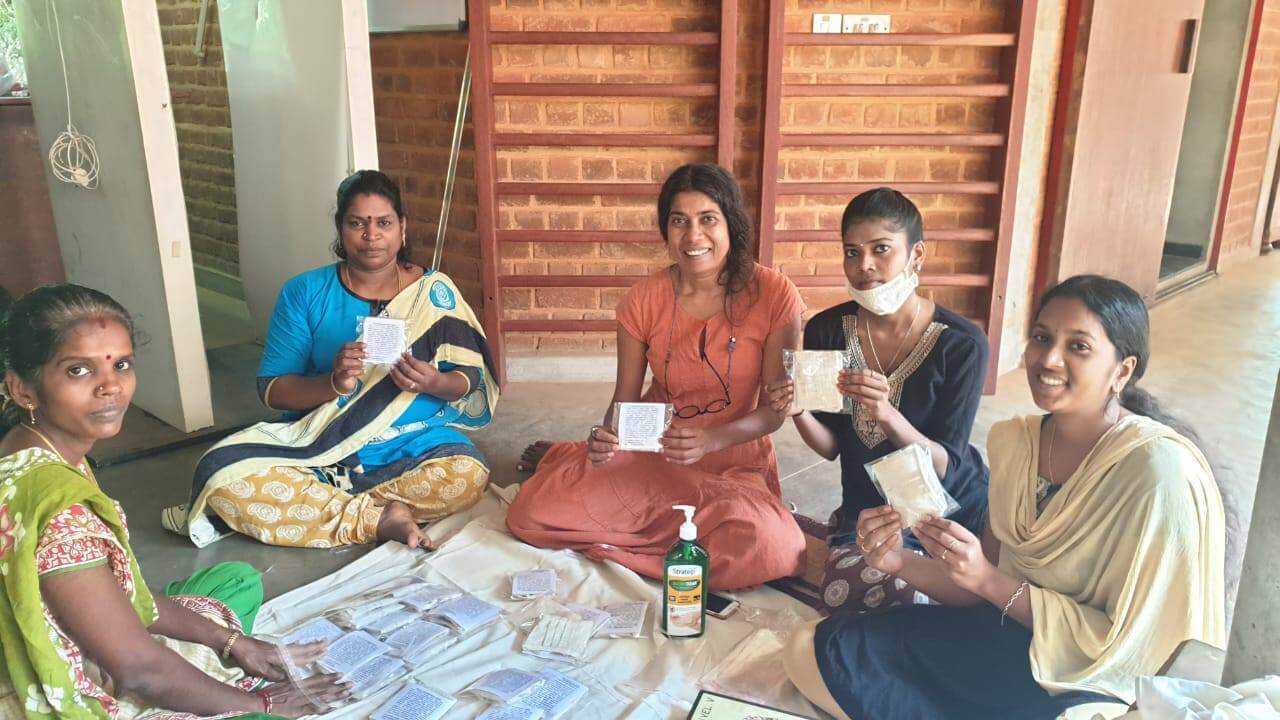
Since 2015, the Tsunamika project has trained 500 women with 200 having made it their livelihood. A total of 140 women from the Small Steps project are provided with a livelihood as they stitch ‘smart’ shopping bags in their home and in their free time. Varnasi Weavers have access to international markets which provides them with a sustainable income and growth. Paruthi and Kapa projects have added a large eco-sustainability branch to the impact of the Upasana brand.
Upasana also founded the Conscious Fashion Hub, a platform which brings artists, designers, textile experts, social workers, farmers, businessmen, environmentalists and educationists together. The focus of this platform has been to tackle present day social issues such as cotton farmer suicides in India, plastic pollution, fashion waste production, women empowerment and livelihood. Since 2017, the Conscious Fashion Hub hosts an annual Conscious Fashion event, where knowledge is transferred and heroes in the space are acknowledged.